
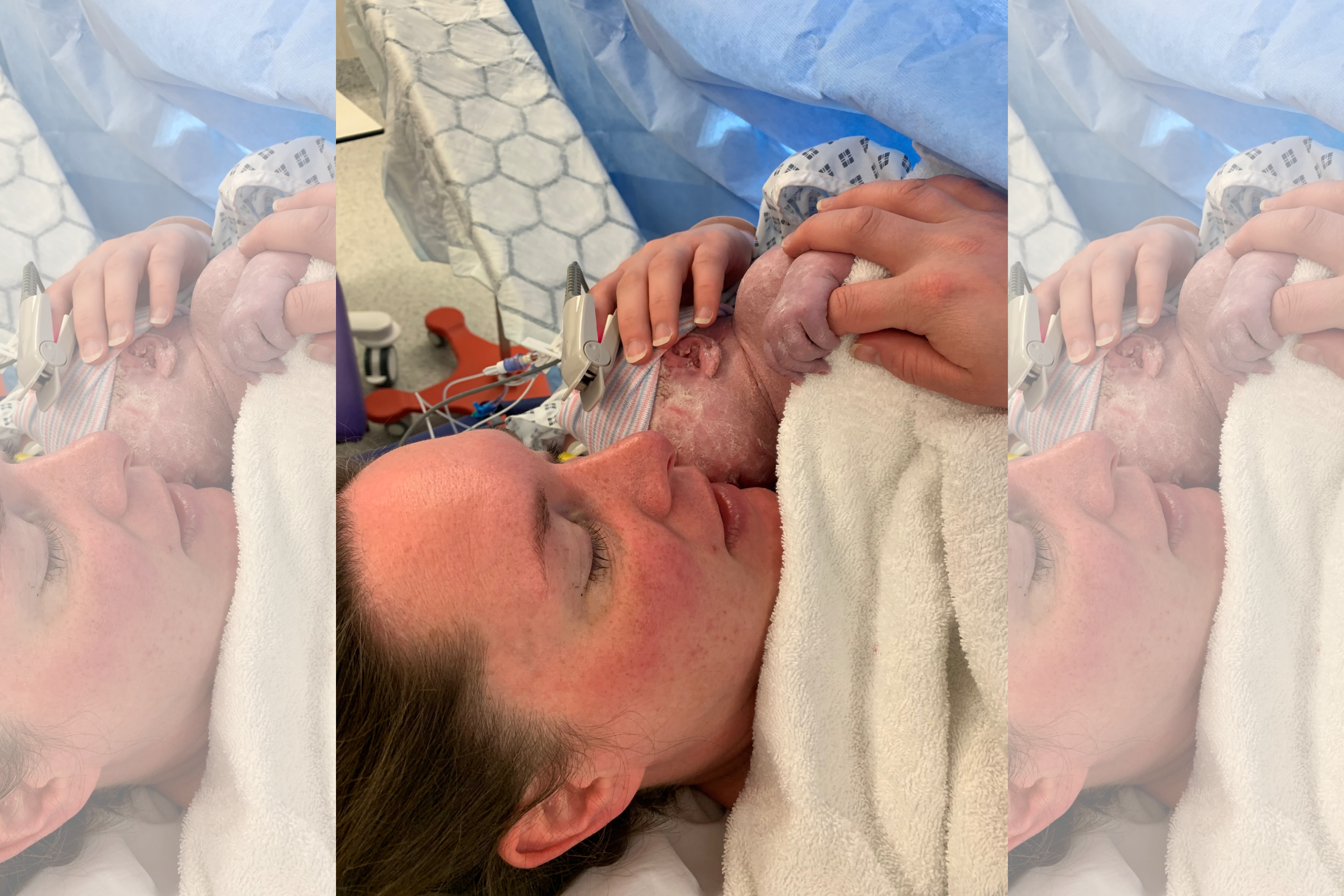

You might not want a C-section. You might be firmly determined to have a vaginal birth. You might be adamant it won’t happen for you. Or, you might be OK with the idea but you’d rather not if it could be avoided.
Whatever you think of C-sections, having a Caesarian is a possibility, however you’re approaching your baby’s birth. The World Health Organisation recommends between 10-15% of births resulting in a C-section, but currently the UK sits at about 40%, if not higher (anecdotally in my area it’s at least 50% but the Trust is not currently releasing figures for it).
Essentially, you need to plan for a C-section. Now I don’t mean it’s inevitable or even likely, but, you need to have a plan just in case.
If you have a C-section, what will your support network look like? Do you even have a support network? Who’s going to do your housework for you? Who’s going to look after pets, or older children, while you’re in hospital? If you have a C-section you’re likely to be in hospital for at least one night, maybe two, maybe longer.
Who’s going to help you once baby arrives? Having a C-section means there’s a physical recovery period during which you won’t be able to do very much physically. Every woman is different, but the guidelines are about six weeks before you can lift anything heavier than your baby, and to start driving again. The rule of thumb is not to start driving unless you feel confident that you could do an emergency stop without significant pain or injury to your scar area. Lots of mums do these things, and feel happy to, before that six-week marker; but you need to be prepared in case your recovery takes that long – or longer.
If you can’t drive for a few weeks, how will you get to any hospital or doctor’s appointments – for you and the baby – or get to the Register Office to register your baby’s birth? What about shopping – can someone do the weekly shop for you, or can you arrange online deliveries?
If your partner is returning to work after two weeks’ paternity leave, who can you call on to help? If you’re a single mum, do you have a whatsapp group of friends who can be on call?
Thinking about all these things is important – and vital. You might not need a list of people you can rely on to drop round groceries, or do the vacuuming, or walk the dog – but you might.
Build your C-section support network into your birth plan. Know what you’ll do should you need it. Be a Girl Guide, and be prepared for anything. Being prepared means being in control, and that’s the best way to feel safe, comfortable, and confident with your new baby in the house, however they arrived.